For nearly three years, corporate attorneys have been preparing Indiana companies for a new state law that provides Hoosier consumers with enhanced data protections.
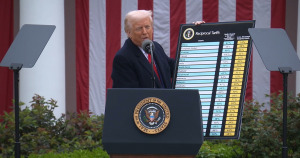
Trump has built his second term in part around imposing steep levies on goods imported into the U.S. in hopes of encouraging domestic production and lifting the U.S. economy.
Small business owners with government contracts say the shutdown has caused payment delays and the cancellation of some projects, and they will be working to make up for lost time and money, if the government reopens.
The rise of artificial intelligence is not only affecting how people work—it’s also shaping the job market itself, especially for graduates in search of their first professional jobs.
Vijay Kumar Vemulapalli, principal of Washington Square owner Durga Property Holdings, said he thinks the city of Indianapolis is issuing code violations in an attempt to force him to sell the property.
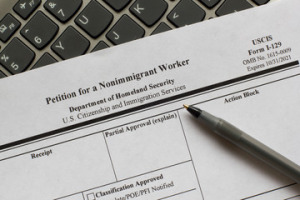
Some Hoosier employers are freezing efforts to recruit H-1B workers because they don’t know if the federal government will apply the $100,000 fee to certain applicants.
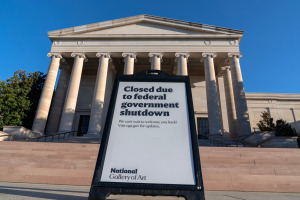
With both sides showing no signs of movement, it’s unclear how long the stalemate will last—even as hundreds of thousands of federal workers will miss another paycheck and states are sounding warnings that key federal programs will soon lapse completely.
If the data center operates at around 90% of its capacity over a full year, it would use nearly twice the amount of electricity used by all AES Indiana residential customers in 2024, according to federal filings.
Klarna Group’s chief executive sees the AI boom spelling the end to what he calls “excess profits” in both the banking and software industries, as incumbents are overtaken by faster-moving challengers.
Lawmakers also expressed appetite for ditching the Professional Licensing Agency, an umbrella body overseeing 33 profession-specific licensing entities—like the Board of Pharmacy.
In a letter of requests to the Indianapolis Local Education Alliance, the IPS board reiterated previous calls to keep the school board democratically elected.
On the third day of the shutdown, another Senate vote to advance a Republican bill that would reopen the government failed on a 54-44 tally—well short of the 60 needed to end a filibuster and pass the legislation.
Experts warn that Indiana’s cities, towns and counties could take a hit to their credit rating through no fault of their own, but rather due to continued fallout from the state’s effort to curb property tax growth.
The Federal Trade Commission sued Amazon in U.S. District Court in Seattle two years ago and has alleged more than a decade of legal violations. A trial begin this week.
The Carmel-based company, Murray Mentor, has created a voice-in-the-ear AI program that allows novice factory employees to tap the expertise of some of the most-seasoned employees—even if those employees retired long ago.