
North-side community development group searching for new CEO
Top executive Leigh Riley Evans plans to leave Mapleton Fall Creek Development Corp. later this fall after helping shepherd a $60 million project.
Top executive Leigh Riley Evans plans to leave Mapleton Fall Creek Development Corp. later this fall after helping shepherd a $60 million project.
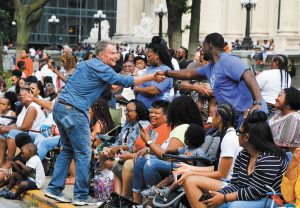
A broad coalition of faith-based groups, black elected officials and civic leaders are turning to this year’s mayoral race as an avenue for bold discussions about racial problems.
The neighborhood’s community development corporation has recast its vision for the expansive Central@29 project and hopes to begin construction of its first phase of apartments next summer.
For the past 12 years, Chad Halstead, 39, has helped land government incentives for some of the area’s biggest real estate developments.
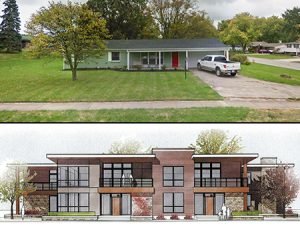
Homeowners in Johnson Addition, which was built in the late 1950s and early 1960s, say their neighborhood is charming and one of the few affordable neighborhoods left near Carmel’s downtown—and they want it to stay that way.

Historic preservationists and midtown neighborhood leaders don’t want to lose the Drake apartment building that its owner, The Children’s Museum of Indianapolis, plans to raze.
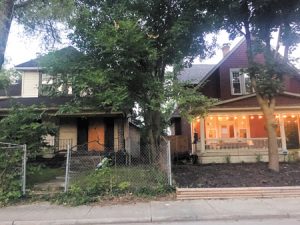
In a quest to create permanently affordable housing, about 25 Indianapolis community groups and development corporations have formed the Community Land Trust Coalition.

Banking is more expensive for the people who most need it to be affordable, a reality that experts say plays a significant role in preventing many Hoosiers from snapping the cycle of poverty.
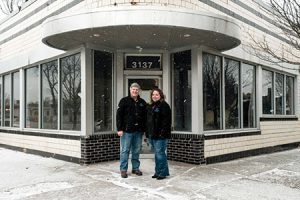
A new, $4.3 million Lilly Endowment grant is poised to spark the transformation of a one-mile stretch of East 10th Street into a hotbed for the arts.
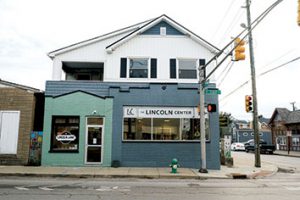
Now that Bates-Hendricks has emerged as one of the city’s housing hot spots, its neighborhood association is focusing on the commercial boom residents believe will follow.
White adults in Indianapolis on average outearn black adults whether both groups were born to poor, middle class or wealthy parents.

The foundation is undergoing a transformation aimed at narrowing the growing gulf between the community’s affluent and poor.

The tension between a desire for investment and an inherent distrust of it is occurring across disadvantaged Indianapolis neighborhoods.
Neglected neighborhoods in Indianapolis that have been targeted for development will soon have another way to attract investors.
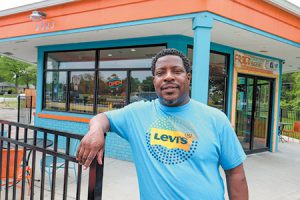
The program has awarded more than $3.1 million to Marion County businesses since 2004—which has leveraged more than $10.6 million in property owners’ investment.

Median household incomes have dropped in a full third of Indianapolis ZIP codes since 2000. Inequality is growing across the city.
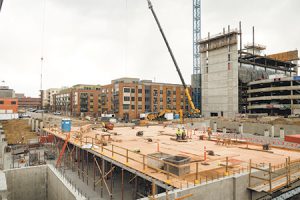
The Hogsett administration and City-County Council are weighing whether to kill a little-known organization that has quietly worked for two decades on the key downtown redevelopments.
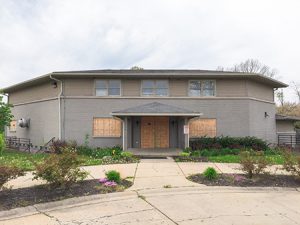
The public course, an anchor for the neighborhood bounding West 56th Street in Pike Township, closed in late 2015 after the previous owner defaulted on a $2.4 million bank loan.

Joe Hogsett said more streetlights, for safer streets, would be one of his first priorities as mayor. Nearly four months after taking office, the administration is still in discussions with Indianapolis Power & Light Co.

The arts-focused Big Car Collaborative, birthed in Fountain Square in 2004 and most recently headquartered at Lafayette Square Mall, has found a permanent place to park on Indianapolis’ south side.