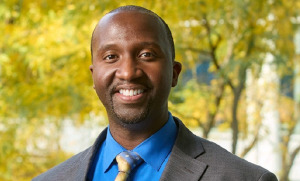
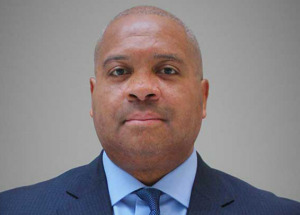
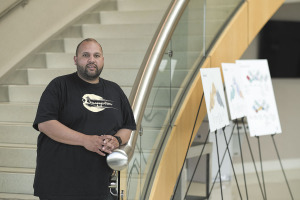
Hopebridge promotes McIntosh to chief executive
David McIntosh will succeed Dennis May, who has served in the role since 2016 and will transition to executive chairman of the board.
Two-year community colleges have the worst completion rates of any kind of university or college. Nearly half of students drop out within a year. Only slightly more than 40% finish within six years.
House Bill 1002, a priority bill for the House GOP caucus and the leading high school reform measure moving through the legislature, seeks to expand work-based learning in Indiana high schools, like apprenticeships and internships.
In addition to providing Indiana charter schools with access to more state and local funding, the bill would sunset a law that requires public school districts to sell or lease vacant or unused instructional buildings for a single dollar to public charter schools.
The referendum for capital expenses is part of the district’s Rebuilding Stronger reorganization. Here’s what you need to know.
The Liberty Fund said the former governor’s work will focus on the creation of educational programming and partnerships that will strengthen the not-for-profit’s existing education programs.
Despite success with enrollees and its more than 30-year track record, the 21st Century Scholars program has struggled to attract students to enroll in the program that has helped more than 50,000 Hoosiers earn college degrees.
The agency tasked with this growing responsibility is the Indiana Destination Development Corp., a quasi-government entity formed in 2019—in the mold of the Indiana Economic Development Corp.—to replace the Office of Tourism Development.
The Indiana Construction Roundtable provides training in community centers around the state, with the majority of our students seeking paths out of poverty. And while those students appreciate the training, the prison-class students show the greatest drive.
Indiana House Speaker Todd Huston maintained Thursday that virtual charter schools deserve equal funding and denied that a virtual education company he consults for would unfairly benefit from a tax increase proposed in the state budget.
The overhaul approved in November reconfigures grades, closes six schools and expands specialized academic programs in an effort that officials say will create more great schools and prioritize equity.
The unanimous vote to approve the Near Eastside Innovation School Corp. to run the school follows the district’s decision to drop Urban Act Academy—the charter operator that has run the school since 2018-19—from its Innovation Network.
Former Indianapolis Public Schools Superintendent Eugene White will temporarily lead the district’s only high school, which was also the subject of the lawsuit filed against the district last May.
The donation comes from the former CEO of Santa Barbara Specialty Pharmacy, which services California and five nearby states.
Two bills in the legislature aim to discourage the overuse of waivers that exempt high school students from certain graduation requirements, a move that could ultimately bring down graduation rates for Indiana’s districts.
Indiana students could soon be required to fill out the Free Application for Federal Student Aid, a shift that supporters say could give students more money to go to college and convince more of them to enroll in higher education in the first place.
The latest push includes a statewide poll and multiple local advocacy events intended to sway the state’s budget writers.
Luna Lu and her team at Purdue’s Lyles School of Civil Engineering are among a handful of organizations worldwide dabbling in how to commercialize “smart concrete.”
As America’s schools confront dramatic learning setbacks caused by the pandemic, experts have held up intensive tutoring as the single best antidote. Yet, only a small fraction have received it.
The district’s unique portfolio of charters and traditional public schools, created nearly a decade ago by IPS leaders and state lawmakers, has left both populations fighting for funding.