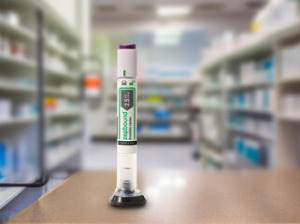
China clears Eli Lilly’s weight-loss drug, only for diabetes now
The pharmaceutical weight-loss market is predicted to reach at least $100 billion by 2030, according to Goldman Sachs.
In a series of lawsuits Lilly filed in September and October in federal court, the drugmaker had accused Totality Medispa of trademark infringement, false advertising, unfair competition and unfair trade practices.
Lilly’s newest obesity and diabetes medicines, widely known as GLP-1 drugs, are drawing rave reviews from doctors, researchers and patients for their ability to safely and effectively control blood sugar and take off weight.
Eli Lilly and Novo are leading now, but there are multiple drug candidates waiting in the wings that could disrupt that duopoly in the future.
Lilly and the Fever said they would also use the partnership “to close gaps on health outcomes in Indianapolis and across the state” by raising awareness of health issues.
Doctors and pharmacies have reported huge demand for Mounjaro and Zepbound in recent months, causing widespread shortages of the popular drugs.
The company plans to develop at least 12 buildings totaling more than 1.6 million square feet. The project is expected to anchor the LEAP Research and Innovation District northwest of Lebanon.
Rarely a day goes without President Joe Biden mentioning insulin prices and promoting a $35 price cap for the medication for Americans on Medicare. The reality is more complicated.
Meanwhile, demand for Lilly’s Zephound and Mounjaro is leading to a shortage of the drugs that is expected to last until at least mid-year, the FDA said in an update Wednesday.
Roche and Lilly said they believe the test could play an important role in improving access to early and accurate Alzheimer’s diagnosis.
Eli Lilly’s Skills First initiative is made up of four apprenticeship programs that prepare people for positions in manufacturing, IT, research labs, marketing, or administrative services.
The Indianapolis-based drugmaker, which makes weight-loss drug Zepbound and diabetes drug Mounjaro, recently aired a new 30-second spot, just ahead of the Academy Awards, to underscore the message.
The call for additional scrutiny surprised Lilly executives, who noted that it is unusual for such a review to occur after the FDA has given an anticipated date to make a decision on approval. An OK for the drug had been expected this month.
Millions of Americans who have dropped pounds and boosted their health using popular obesity drugs like Wegovy and Eli Lilly and Co.’s Mounjaro and Zepbound are finding out what happens when they stop taking them.
In the past 52 weeks, shares have set new records almost every week, due to investor eagerness over the company’s new drugs for obesity and diabetes, two health conditions that plague America, along with other drugs in the pipeline.
Shares in the Indianapolis-based drugmaker are setting new records almost every day, due to investor excitement over the company’s new drugs for obesity and diabetes, two health conditions that plague America.
In recent weeks, the Indianapolis-based philanthropy has been unveiling a flurry of gifts at the $100 million level or higher.
As Novo and Lilly fight to dominate the market in weight-loss drugs, gaining an edge in manufacturing power is emerging as a new front. Both drugmakers are racing to secure the highly specialized plants that can churn out enough of their top-selling drugs to keep up with demand.
Indianapolis-based Eli Lilly and Co. and Switzerland-based Novartis were the most active acquirers in the past 12 months, with seven and six deals respectively, according to data compiled by Bloomberg.
The Indianapolis based drugmaker posted net income of $2.19 billion for the quarter. Excluding nonrecurring items, adjusted earnings per share of $2.49 beat the FactSet consensus of $2.30.