

Frustrations remain for forest alliance even after shifting strategies
The group wants the city to dedicate funding to buy forested areas, to protect them from private development.

First American Nuclear, a 40-employee startup currently based in Washington, says its Indiana-based Closed-Fuel Cycle Nuclear Energy Park will be designed to reprocess and reuse spent nuclear fuel on-site.
Read More
The Indianapolis Zoological Society Inc. awarded the prize to a scientist and biodiversity conservationist who has discovered several new species and led the establishment of four national protected areas.
Read More
The new complex spans two buildings that can separate, grind down and sanitize plastic waste and then shape it into recyclable food-grade containers such as milk jugs or water bottles.
Read More
A key lawmaker called the bill a response to ongoing resistance of local governments to greenlight solar, wind and other renewables projects that are necessary to support the state’s growing energy demands.
Read More The group wants the city to dedicate funding to buy forested areas, to protect them from private development.
Gov. Mike Braun signed an executive order for state agencies to keep businesses in mind when setting environmental rules. That directive could soon materialize in changes to rules governing the Indiana Department of Environmental Management.
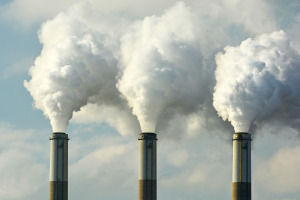
The Supreme Court ruled in 2024 that the EPA could not enforce the rule, which is intended to block coal-fired power plants and other industrial sites from adding significantly to air pollution across state lines.

The EPA makes those decisions in Indiana and elsewhere, but an increasing number of states are seeking primary enforcement authority.
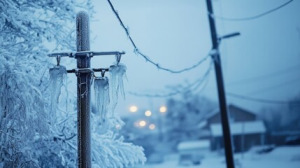
Indiana was barely hit by power outages as of early Sunday afternoon. Poweroutage.com, which tracks outages nationwide, reported only 79 customers without power as of 1 p.m. out of more than 3.2 million customers.
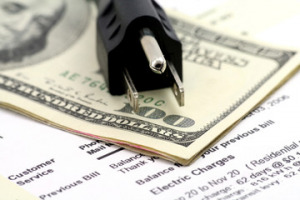
House Bill 1002 requires the state’s investor-owned utilities to start low-income-customer assistance programs, bans service shutoffs in the summer and moves all customers to “levelized” billing plans.
Two bills from Republican lawmakers could allow businesses, and potentially individual households, to get their electricity from a provider other than their local utility company.

It’s been almost five years since the city joined sustainability-minded municipalities in passing an ordinance that requires owners of large buildings to report their annual utility use. Today, most building owners aren’t complying.
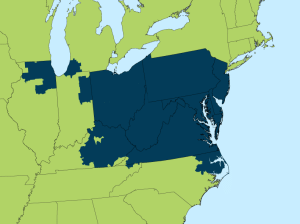
The mid-Atlantic grid operated by PJM encompasses all or parts of 13 states, including Indiana.
The change is part of the Trump EPA’s broader goal of slashing regulations, saying they are hindering economic growth.
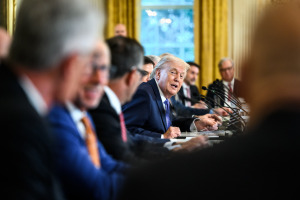
The grants supported hundreds of clean energy projects in 16 states, including battery plants, hydrogen technology projects, upgrades to the electric grid and efforts to capture carbon dioxide emissions.
A Democratic representative and a Republican senator have each filed bills to do away with the state sales tax on utility bills. The measure could save the average ratepayer more than $150 a year, but would see the state miss out on hundreds of millions in tax revenue.

President Donald Trump said he plans to ask American companies to take over Venezuela’s oil industry after capturing President Nicolás Maduro in a raid.

As utility companies attempt to bring new power sources online to meet skyrocketing demand, Indiana legislators are considering using performance-based ratemaking to set utility rates.
First American Nuclear, a startup developing a fast-spectrum small modular reactor for nuclear energy, announced on Nov. 4 it is planning to invest more than
$4 billion to move its headquarters to Indiana and develop a nuclear plant and “energy park” in the state.
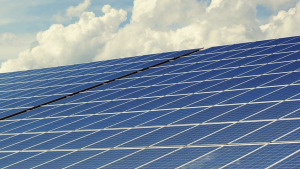
Solar and storage accounted for 85% of the new power added to the grid in the first nine months of the Trump administration. Experts say that’s because demand is high and the technologies can be deployed quickly.

Construction is set to begin early next year on a $560 million project to send millions of gallons of water each day to Lebanon to meet the demands of the state’s 9,000-acre LEAP Research and Innovation District.

Indiana utility customer advocacy groups on Tuesday released a slate of ambitious reforms they say would promote affordability for struggling residential and small-business ratepayers.

The flurry of announcements underscores the energy industry’s intensifying focus on technology companies’ data centers.
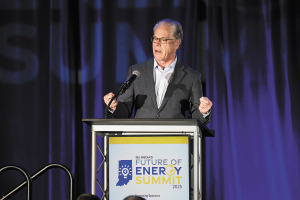
Gov. Mike Braun has made energy a centerpiece of his first year, but his focus isn’t only about generating more electricity to feed growing demand from economic development. He also wants to lower the price of power for business and residential consumers.