
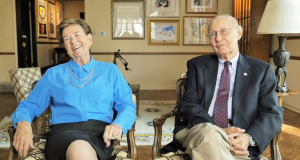
Retail developer, philanthropist Sidney Eskenazi dies at 95
Eskenazi built one of the largest private retail development firms in the nation and became one of central Indiana’s most generous philanthropists.

Indiana legislators passed a law this year barring primary care physicians and employers from signing noncompete clauses Eskenazi Medical Group’s move goes further.
Read More
Eskenazi Health said it will set up three “health equity zones” in low-income areas of Marion County with neighborhood leaders and residents to increase access to health care, mental health care and nutritious foods.
Read More
The health system announced Thursday morning it will build a 95,000-square-foot clinic on a site that previously housed a 59-year-old retail center anchored by a long-closed Value City Department Store.
Read More
Eskenazi Health on Tuesday warned its employees, providers, patients and vendors to “closely monitor bank and credit card statements” for “suspicious activity” following a cyberattack to its data network early this month.
Read More Eskenazi built one of the largest private retail development firms in the nation and became one of central Indiana’s most generous philanthropists.
The new hire succeeds Ernest Vargo II, who retired Jan. 15 after serving as CEO for 15 years.
Lois and Sidney Eskenazi have funded a long list of projects across Indiana, including a downtown Indianapolis hospital, an art museum renovation at Indiana University and the IU architecture school.

Eskenazi Health officials say the system has seen a 60% increase in the number of prescriptions filled over the past five years—a rate that’s unsustainable, given national staffing shortages.

The gift will fund operations at Gregory S. Fehribach Center at Eskenazi Health for the next five years and also create an endowment for future funding.
In March, Eskenazi Health launched a fundraising campaign to help it move the needle on health disparities. As of last month, its foundation had raised $57 million.

At Eskenazi and other hospitals around central Indiana, therapy dogs are seen as part of the health care team—furry healing agents who bring smiles to patients, and perhaps even more.
About 99% of pharmacists who responded to a recent survey by the American Society of Health System Pharmacists said they are experiencing drug shortages. About a third said the shortages are leading to rationing, delaying or canceling treatments or procedures.
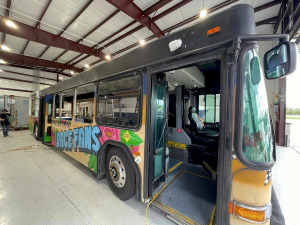
A former IndyGo bus could start a second life by the end of the year—distributing fresh food, providing nutrition education and troubleshooting problems Indianapolis residents have applying for food stamps.
Terri Ruehl Young filed suit in Indiana Commercial Court in Marion County on Friday against the Indianapolis-based public hospital and health care provider.
Eskenazi spokesman Tom Surber said the decision to divert ambulance traffic to other hospitals was made “out of an abundance of caution.” The diversion began at around 8 a.m. Wednesday and remains in place, he said.
At Eskenazi Health, Tedd Grain, who had been at LISC since 2009, will be tackling food access issues, economic mobility and other social factors that affect local residents’ health status.
In an unusual show of solidarity, officials from several major Indianapolis-area health care systems held a joint press conference Monday afternoon to issue dire warnings about the most recent surge in COVID-19 cases and explain how their facilities and staffs are close to becoming overwhelmed.

So far, the program has enrolled 275 people with diabetes. Health workers in the neighborhoods have completed more than 2,300 check-ins with them—helping them set up doctors’ visits, coaching them on how to shop for food, and helping them with dozens of related problems, from transportation needs to medical insurance.
To recognize the contribution, Eskenazi Health is changing the name of Midtown Community Mental Health to the Sandra Eskenazi Mental Health Center.
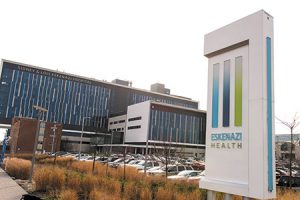
In Indiana, the Centers for Medicare & Medicaid Services is docking 22 hospitals for high rates of infection and patient injuries.

Researchers at Indiana University and the Regenstrief Institute are measuring whether a virtual walk on the beach could help prevent cognitive issues faced by patients who spend time on a mechanical ventilation machine in the intensive care unit.

A movement is burgeoning at the hospital system to lead by example in food and nutrition.
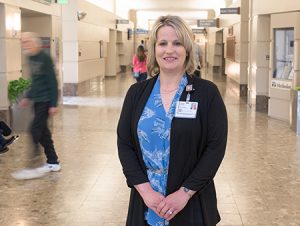
Around Indiana, hospitals are doubling down on the lofty goal of patient satisfaction. Some, like IU Health, are hiring managers to oversee various aspects of the patient experience, from registration to discharge.

It’s tough to look at your own community and figure out what it’s doing that no one else is. But IBJ gave it a shot. Here are four things other cities could copy from us.