
Corporation for Public Broadcasting, gutted of federal funds, votes to dissolve
The vote ends a 58-year-old agency that distributed federal funds to NPR, PBS and more than 1,500 local public radio and television stations.
The vote ends a 58-year-old agency that distributed federal funds to NPR, PBS and more than 1,500 local public radio and television stations.
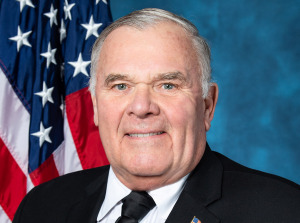
Baird, 80, represents Indiana’s 4th District, which includes much of Boone, Hendricks and Morgan counties.

President Donald Trump said he plans to ask American companies to take over Venezuela’s oil industry after capturing President Nicolás Maduro in a raid.

Some of Trump’s unrealized threats reflect a broader approach from a president with a track record of using sky-high levies to pressure other countries into new trade deals.

While the question revolves around only a few cents per transaction, it raises important consumer protection and legal questions for states to consider.
Indiana was awarded $206.9 million for fiscal 2026 from the rural health care fund. States will be forced to undergo a re-scoring process every year with the Office of Rural Health Transformation.

Since 2016, the Department of Health and Human Services’ inspector general has conducted 18 audits on a selection of state programs.
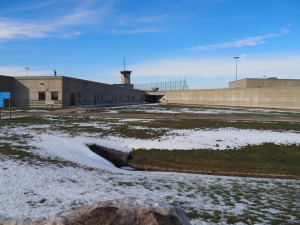
The Indiana Capital Chronicle recently took an hourlong tour of Miami Correctional Facility—the first media allowed in what federal officials have referred to as “the Speedway Slammer.”
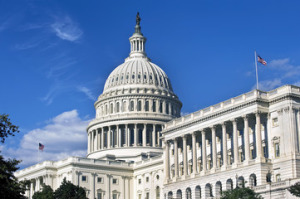
Lawmakers in both parties view simmering fury over the cost of living as the top issue in next year’s midterm elections and are pitching a growing profusion of proposals to tackle the notoriously difficult problem of affordability.

The celebration will begin on New Year’s Eve. The Washington Monument will be lit with “festive birthday lights to honor the start of this historic anniversary year,” Trump said.
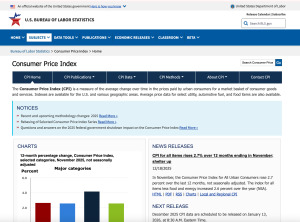
The issue arose again Thursday when the Labor Department announced a surprisingly low inflation figure of 2.7% for November. Economists immediately noted quirks that could have artificially lowered the rate.

The U.S. venture will have a new, seven-member majority-American board of directors. It will also be subject to terms that “protect Americans’ data and U.S. national security.”
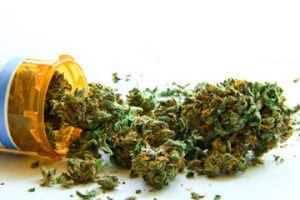
For several years, the common refrain among some state lawmakers has been that they had no desire to tackle the issue until the federal government reclassified the drug. That argument will be removed if the president’s order receives federal regulatory approval as directed.

Reclassification by the Drug Enforcement Administration would not make it legal for recreational use by adults nationwide, but it could change how the drug is regulated and reduce a hefty tax burden on the cannabis industry.

The 232nd set—containing the last three pennies ever made—sold for $800,000. That bidder also got the three dies that struck those Lincoln cents.

Members of Congress from both parties, as well as civil liberties and consumer rights groups, have pushed for more regulations on AI, saying there is not enough oversight for the powerful technology.
If you and I ignore Trump, in three years America may not be our America.

Sen. Maria Cantwell said former CEO Bryan Bedford vowed to sell all his shares in Carmel-based Republic Airways within 90 days of his confirmation, but 150 days have now passed.
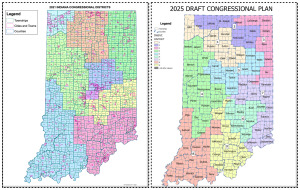
Gov. Mike Braun vowed to work with President Trump—who for months has pushed for more winnable seats for the GOP ahead of the 2026 midterms—to encourage primary challengers to those “no” voters.

U.S. farmers have suffered from persistently low commodity prices, rising costs and declining sales.