
UPDATE: Hamilton County residents question mystery development
Landowners in Hamilton County are being offered as much as $40,000 an acre by real estate agents, but it's unclear what plans are in the works.
Landowners in Hamilton County are being offered as much as $40,000 an acre by real estate agents, but it's unclear what plans are in the works.
The museum sought the order in an attempt to regain use of the Nickel Plate rail line in time to run excursion trains during next month’s Indiana State Fair.
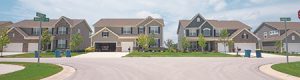
Since the Hamilton County seat created its Architectural Review Board in 2001, it has granted more than 500 waivers to deviate from its architectural standards.

The Indiana Transportation Museum said it requested a federal temporary restraining order against the Hoosier Heritage Port Authority on Monday in an attempt to regain use of the Nickel Plate rail line in time for next month’s Indiana State Fair.<
Noblesville-based Pharmakon had a history of making state and local incentive agreements before suspending operations last year after a Food and Drug Administration investigation uncovered safety issues and possible criminal activity.
Four proposals were submitted this week to the Hoosier Heritage Port Authority for expanded service along the Nickel Plate rail line, conflicting with another plan to turn the corridor into a pedestrian trail.
Indiana environmental officials believe contaminants recently found on the site of the Indiana Transportation Museum are oil-based but don’t think an emergency response is needed.
City officials said Wednesday that they have asked the Indiana Transportation Museum to clean up the contamination. An ITM official suggested the city’s move was motivated by a debate over the fate of the Nickel Plate Railroad.
Hamilton County officials are looking to install 9,300 panels on the roofs of the county’s criminal justice complex in Noblesville.
The fate of the historic Nickel Plate Railroad could be decided this summer—but there’s no consensus on what the corridor should look like or on the impact or costs of projects.
BorgWarner Inc. is set to close two technical centers in central Indiana and consolidate them into a newly constructed facility in Noblesville that will house more than 300 high-wage employees, the Hamilton County city announced Wednesday afternoon.
Train, trail or both? That’s the debate in Hamilton County involving officials from Fishers and Noblesville and the Indiana Transportation Museum.
The operators of the suspended Indiana State Fair train have devised a plan for expanded service that would feature year-round trains rolling between Noblesville and downtown Indianapolis.
The Noblesville Fieldhouse, which is being developed by Klipsch-Card Athletic Facilities LLC, is expected to include five hardwood courts for volleyball, basketball and other sports, plus 75,000 square feet of turf for baseball, softball, soccer and lacrosse.
Fishers and Noblesville officials announced plans Tuesday morning for a $9 million project that will convert a stretch of the corridor previously used by the Indiana State Fair Train into a paved pedestrian and bicycle trail between the two cities.
Officials have been discussing ways to use or improve the 37-mile Nickel Plate railroad corridor, following a fallout between the Hoosier Heritage Port Authority and the Indiana Transportation Museum, which operated the popular Indiana State Fair train.

The county-owned hospital system has more than $100 million in ongoing projects, making it one of the biggest eras of growth in the history of Riverview, which opened its Noblesville hospital in 1951.
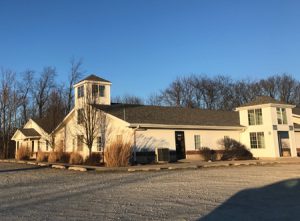
The move from Noblesville to the Creekside Ministries property would allow the not-for-profit to significantly upgrade its operations and programs, according to a memo for Fishers officials.
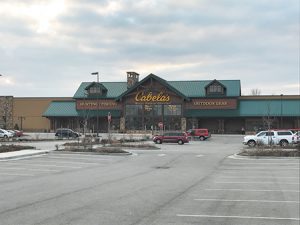
Noblesville laid the groundwork for the campus in 2002. When East 146th Street opened in 2007, city leaders believed it would take 20 years for the area to build out. But it’s happening much faster.

Visitors spent nearly $681 million in the county in 2015, with most of the dollars used for food and beverages. That’s a 12 percent boost over 2014, nearly double the increase for the overall metro area.