
Digital billboards vote delayed until April
After three hours of discussion, a controversial proposal to lift Marion County’s ban on digital billboards was postponed without a vote Monday night.
After three hours of discussion, a controversial proposal to lift Marion County’s ban on digital billboards was postponed without a vote Monday night.
Advocates for low-income housing are clashing with Indianapolis landlords over a proposal that would make it illegal to reject tenants solely because they use government subsidies to pay their rent.

Indianapolis planners say the city needs another $7.1 million to prepare the former Central State Hospital campus for redevelopment, but they’re out of resources. A proposal to raise those funds via a new tax-increment financing district around the 142-acre site is moving through the Indianapolis City-County Council with bipartisan support.
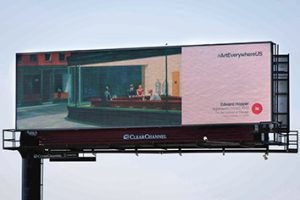
The sponsor of a City-County Council resolution that would lift a ban on digital billboards plans to delay a vote scheduled for Monday and send the measure back to a council committee.
The City-County Council is scheduled Dec. 1 to weigh a resolution that lifts the city’s ban on digital billboards and allows as many 75 in the city over three years. Opponents are rallying against what they consider visual blight.
The Indianapolis City-County Council on Monday overwhelmingly voted to approve nearly $59 million in debt to pay for new and renovated library branches across the city.
City-County Council Democrats and Republicans have agreed on alternative sources to fund a preschool program proposed by Mayor Greg Ballard, which also would include $20 million from private sources.
A grassroots, church-based organization is trying to stir up voter interest in the city’s plan for a new criminal justice complex and questioning the need to expand jail capacity.
Democrat Brian Mahern has left the Indianapolis City-County Council. Coming with more than a year left in the term, the resignation allows the party to appoint someone to the seat.

Indianapolis Public Library officials are seeking approval from the city to borrow funds to renovate, relocate and build entirely new branches across the city. Despite growing emphasis on digital media, library visits are increasing, they say.
The borrowing plan will target streets and sidewalks across the city. Also on Monday night, City-County Councilors approved a $1 billion city budget.
The plan scales back Mayor Greg Ballard’s original proposal for borrowing $150 million to help handle street repair.
The Indianapolis City-County Council’s finance committee voted to table funding for Mayor Greg Ballard’s $50 million preschool expansion plan and quickly adjourned a three-hour meeting Tuesday night despite protests.
Funding concerns involving the homestead credit have prompted work on an alternative plan that Democrats expect to unveil soon.
In a 19-10 bipartisan vote, the Indianapolis City-County Council approved a hike in the public-safety income tax. The 43-percent increase will bring the total local income tax rate to 1.77 percent.
LaKeisha Jackson was chosen to replace Vernon Brown in District 18. Brown stepped down in August after 11 years on the council.
Marion County is an untapped market for digital billboards despite years of lobbying by sign companies, and it’s not because of political opposition to the large, lighted signs. What’s holding back changes to the city code is industry feuding over the form of regulations that could determine their future market share.
The ordinance is the product of state legislation this year that effectively shut down rental-property inspection programs but left municipalities the option of creating registries.
Mayor Greg Ballard on Wednesday proposed a 5-year program to pay for preschool for 4-year-olds from low-income families. He also floated hiring another 280 police officers. The cost to the average household would be $86 per year.
IMPD officers are not required to live in the city, and about 240, or 16 percent of the force, choose to reside elsewhere. Many of the city’s highest-crime neighborhoods have the fewest police officers as residents.