
U.S. manufacturing surges most since 1983, underscoring rebound
All but one of 18 manufacturing industries reported growth in March, led by textiles, electrical equipment and appliances, machinery and computers and electronic products.
All but one of 18 manufacturing industries reported growth in March, led by textiles, electrical equipment and appliances, machinery and computers and electronic products.
The ambitious plan, to be unveiled Wednesday, is expected to devote hundreds of billions of dollars to infrastructure, home care for the elderly and the disabled, efforts to revive manufacturing, and bolstering the nation’s electric grid, broadband access and water systems.
Volkswagen plans to change its brand name in the United States as its shifts its production increasingly toward electric vehicles and tries to distance itself from an emissions cheating scandal.
Consultant AlixPartners has said the global chip shortage could cost automakers $61 billion in lost sales this year. The recent setbacks could further delay an expected second-quarter recovery in output.
The size of the drop surprised economists, although it is likely that there was significant disruption from severe winter storms that hit much of the country last month, on top of ongoing supply-chain problems.
Automakers have said they don’t expect the chip shortage to get any better before the third quarter of the year, potentially costing them billions of dollars in revenue.
Mark Howell, 56, who joined Conexus in 2018, plans to focus on volunteer and philanthropic activities after leaving the Indianapolis-based not-for-profit, the organization said Wednesday.
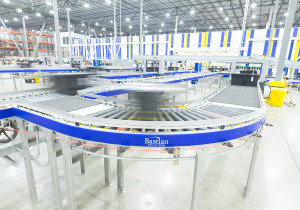
Bastian Solutions, which makes conveyor systems, robotics and other automated materials-handling items often used by the retail industry, has seen growth accelerate because of the pandemic.
The company said it will invest $33 million to expand its bustling Elkhart campus, which opened in 2009. It is slated to receive up to $11 million in tax credits.

Eli Lilly and Co. told Reuters news agency that it is working closely with the FDA to address concerns about the factory in Branchburg, New Jersey, which makes Trulicity.

Indianapolis-based Hurco Cos. Inc. shares jumped more than 13% Friday morning after the manufacturer reported a rebound to profitability and increased sales and orders in its fiscal first quarter.
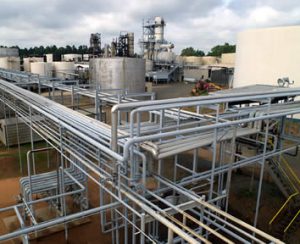
The Indianapolis-based company, which makes specialty petroleum products, last posted an annual profit in 2013. Calumet’s cumulative annual losses since then total $931.7 million.
The world’s largest retailer said it plans to invest $350 billion in products made, grown or assembled in the United States over the next 10 years, a move it says will help create 750,000 jobs.
The Institute for Supply Management reported Monday that its gauge of manufacturing activity rose to a reading of 60.8% last month, 2.1 percentage-points above the January level of 58.7%.
A Toyota spokesman would not answer questions about whether the SUVs should be parked outdoors until the matter is resolved, but said the company is cooperating in the probe.
The executive order will cover U.S. supply chains for large-capacity batteries, pharmaceuticals, critical minerals and semiconductors that power cars, phones, military equipment and other goods.

Allison Transmission’s fourth-quarter financial performance exceeded analysts’ revenue expectations but fell short of profitability forecasts.
Productivity in Indiana’s most advanced industries—including agricultural chemicals, medical equipment and adhesives production—has lagged behind the national average for the past 10 years and the gap is widening, according to a new Brookings Institution study.
Canada’s Bombardier announced Thursday that it will stop production of the Learjet later this year to focus on more profitable planes. The iconic jet was among the first private luxury planes.
For workers at GM and other automakers, the future could be perilous. The more environmentally focused plants of the future will need significantly fewer workers, mainly because electric vehicles contain 30% to 40% fewer moving parts than petroleum-run vehicles.