

Indiana Senate nears vote on bill scrutinizing nonprofit hospital prices
The Senate must still vote to pass the bill out of its chamber by Tuesday. The House will then decide whether it agrees with the Senate’s changes.
The Senate must still vote to pass the bill out of its chamber by Tuesday. The House will then decide whether it agrees with the Senate’s changes.
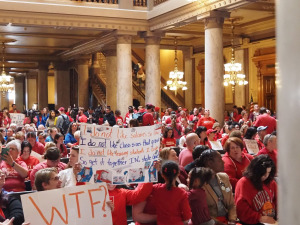
Hundreds of teachers, parents and students from across the state rallied to call for increased funding for public schools.

Gov. Mike Braun’s new initiative borrows from Kennedy’s “Make America Healthy Again” slogan, which Kennedy, the U.S. health secretary, borrowed from President Donald Trump’s campaign.

The somewhat obscure federal program designed to reduce drug prices for health providers is getting scrutiny from lawmakers this year.

Sparing electronics was expected to benefit big tech companies like Apple and Samsung and chip makers like Nvidia, though the uncertainty of future tariffs may rein in an anticipated tech stock rally on Monday.

Several Indiana schools announced closings or online learning days Monday because many staff members plan to attend a Day of Action at the Indiana Statehouse.

The fallout has been most pronounced for companies that buy or sell from China, but even those that do business with other countries say international buyers are treading carefully.
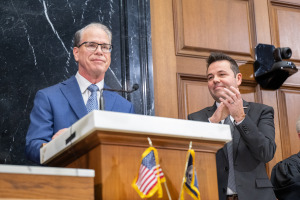
Indiana Gov. Mike Braun is expected to sign the latest version of Senate Bill 1, which supporters say would provide more than $1.4 billion in property tax relief over three years. Critics of the bill say local governments will raise income taxes to make up the difference.

The president’s post came a day after a Senate panel heard testimony examining whether to set one time all year instead of shifting.
House Democrats accused their GOP colleagues of strong-arming local units of governments into raising local income taxes to make up property tax revenue losses.

The United States’ top imports from China, meanwhile, include electronics such as computers and cell phones, industrial equipment and toys.
State lawmakers had their final (and for some, especially long) meetings this week as they returned to some of the last and thorniest bills left on their plates.
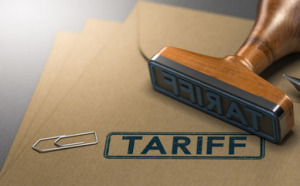
Markets swooned Thursday as investors realized that the president is not backing away from a confrontation with Beijing.

Weeks after ordering all Food and Drug Administration employees back into the office, the agency is allowing some of its most prized staffers to work remotely.
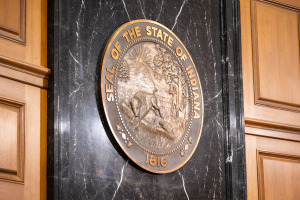
Senate fiscal leaders presented a conservative state budget plan Thursday morning that drops universal school choice and extraneous spending.
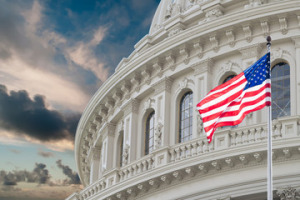
Conservative Republican Reps. Victoria Spartz of Indiana and Thomas Massie of Kentucky voted “no” against the bill, as did all Democrats.
Under the bill that advanced Wednesday, the group will develop a plan for the collaborative use of transportation and facilities between IPS and charter schools within IPS boundaries.

Wednesday’s gains were widespread across the market, with 98% of the stocks in the S&P 500 index rallying. The rally pulled the index away from the edge of a bear market.
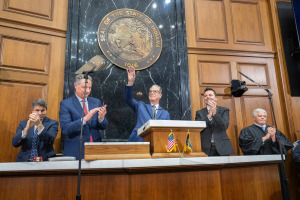
The governor and legislative leaders have for weeks gone back and forth on the key components of Senate Bill 1.

Senate Bill 478 sets out advertising, age-limit, licensing, packaging, testing and other requirements for the hemp-derived products.