
Matthew Hullinger
Matthew Hullinger, a college student, is a candidate in the Republican primary in Indiana’s 5th Congressional District.
Matthew Hullinger, a college student, is a candidate in the Republican primary in Indiana’s 5th Congressional District.
Kelly Mitchell loves her job as state treasurer, but says she’s worried about the future of the country, so she decided to run for Congress.
Mark Small, an attorney, is a candidate in the Republican primary in Indiana’s 5th Congressional District.
As a kid, Beth Henderson loved horses, so maybe it’s appropriate that the horses she owns now with her husband have become the best-known parts of her campaign for Congress.
Victoria Spartz never wanted to work for the government. But she became frustrated with government regulations, so she got involved with the Republican Party to do something about it.
A poll from The Associated Press-NORC Center for Public Affairs Research finds Democrats are now much more likely than Republicans to support their state if it were to decide to conduct elections exclusively by mail.
One senior administration official with knowledge of the discussions said Trump has no deep affection for Alex Azar but is unlikely to change Health and Human Services secretaries as the coronavirus continues to rage.
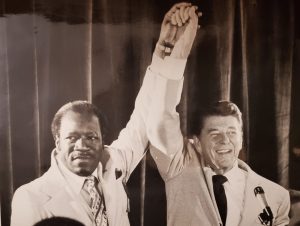
Cummings, who was born in Indianapolis in 1929, founded the National Black Republican Council in the late 1970s and worked on Ronald Reagan’s presidential campaign in 1980.
While President Donald Trump thrives on friction, Vice President Mike Pence prefers a smooth road, trying to instill confidence in the nation as it confronts the pandemic and even as the president careens from optimism to anger.
Supporters of a vote-by-mail system are hopeful the temporary expansion in Indiana opens the door for a permanent no-excuse policy.
Gov. Eric Holcomb and Indiana Secretary of State Connie Lawson made the decision last month to delay the primary election from May 5 to June 2 and expand the ability to cast a ballot by mail to all registered voters in an attempt to address public health concerns around voting.
The changes the state is making in the primary due to the coronavirus pandemic might indefinitely alter how we carry out campaigns and conduct elections going forward. Today’s alternative might become tomorrow’s norm.

Top-level negotiations between Congress and the White House churned into the night Sunday over a now nearly $2 trillion economic rescue package. The draft aid bill was declared insufficient by Democrats, who argued it was tilted toward corporations.

The governor also signed legislation that will eventually put more money into the state’s unemployment trust fund, a move that comes as the coronavirus outbreak has led to a jump in unemployment claims.
Gov. Eric Holcomb, Secretary of State Connie Lawson, Republican Party Chairman Kyle Hupfer and Democratic Party Chairman John Zody announced the agreement Friday morning.
The governor said the decision will be up to Secretary of State Connie Lawson, a Republican who oversees the Indiana Election Division.
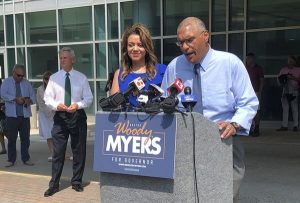
Candidate Woody Myers on Tuesday issued his own plan for dealing with the outbreak, which includes spending some of the state’s surplus revenue and bringing state lawmakers back for a special session.
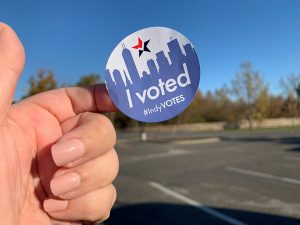
The party leaders did not suggest any delay in the May 5 primary itself.
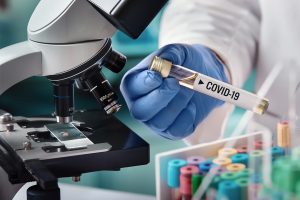
In the wake of the coronavirus outbreak in Indiana, the primary election season may look different than normal as candidates cancel in-person events and organizers of public forums and debates opt for no audiences.

House Speaker Brian Bosma, the longest-serving House speaker in state history, stepped down Monday and was replaced by Rep. Todd Huston.